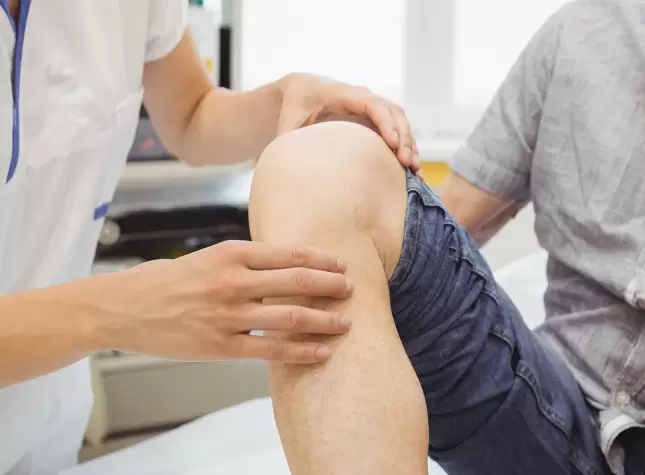
If you are over 40 and your knees have started troubling every time you climb stairs, stand up from a chair, or walk for long periods, you are certainly not alone. Knee pain after 40 is very common, but persistent pain must not be swept under the carpet.
Sometimes it can be just a simple muscle strain. Sometimes it can signal early arthritis. And sometimes the knee is warning you about more serious joint damage that becomes difficult to treat if neglected.
Imagine your knees like the shock absorbers in a car. For many years, they silently handle pressure, movement, weight, and impact. But after decades of “mileage,” the cushioning gradually wears down. The dilemma is that many individuals assume pain is just a normal part of aging and keep pushing through it until the damage becomes severe.
Understanding the actual knee pain causes after 40 can help you take action early, avoid long-term joint problems, and stay active for years to come.
Read this guide to know:
Read Also: Life After Knee Replacement Surgery: What to Expect and How to Prepare
You should see an orthopedic specialist if:
| Symptom | Why It Matters |
| Pain lasts more than 2 weeks | May indicate underlying joint damage |
| Swelling keeps returning | Could suggest arthritis or inflammation |
| Knee feels unstable | Possible ligament weakness |
| Pain worsens while walking | Joint degeneration may be progressing |
| Knee locks or clicks painfully | Meniscus or cartilage issue |
| Morning stiffness lasts long | Common early arthritis symptom |
| You avoid daily activities due to pain | Functional mobility is being affected |
Occasional soreness after exercise is common. Persistent pain that interferes with normal life is not.
Read Also: What Is The Cost Of Knee Replacement Surgery In Kolkata? Surgeon & Package Guide
After 40, the body slowly changes in ways you don’t always notice immediately.
It’s similar to using the same staircase every day for decades. At first, everything feels smooth. But eventually, small cracks begin appearing under repeated pressure.
Here’s why knee problems become more common with age:
| Factor | What Happens |
| Cartilage wear | Cushioning between bones decreases |
| Muscle weakness | Knees lose support and stability |
| Weight gain | Extra pressure increases joint stress |
| Old injuries | Past damage can trigger chronic pain |
| Reduced flexibility | Joint movement becomes restricted |
| Inflammation | Arthritis risk increases with age |
The knee joint handles enormous pressure daily. Even walking places forces several times your body weight onto the joints.
Read Also: Joint Pain Specialists in Kolkata: When to See a Doctor
Let’s look at the most common reasons knees start hurting in middle age.
Osteoarthritis is the leading cause of knee pain after 40.
This happens when the protective cartilage inside the joint gradually wears away. Eventually, bones start rubbing against each other, causing inflammation and stiffness.
Common arthritis symptoms include:
Think of cartilage like the rubber padding beneath furniture legs. Once that padding wears out, hard surfaces begin grinding directly against each other.
Early Signs of Knee Osteoarthritis
| Symptom | Common Timing |
| Stiffness | Morning or after sitting |
| Pain during stairs | Early-stage arthritis |
| Clicking sounds | Cartilage irregularity |
| Swelling after walking | Joint inflammation |
The important thing to understand is that osteoarthritis develops gradually. Early diagnosis often helps slow progression significantly.
The meniscus acts like a shock absorber inside the knee.
With age, this cartilage becomes weaker and more prone to tearing, sometimes even during simple activities like squatting or twisting.
Symptoms include:
Many people assume they “just twisted the knee,” but persistent symptoms may indicate deeper cartilage damage.
Tendons connect muscles to bones. Overuse or repetitive movement can inflame these tissues.
This is especially common in:
Pain often develops below or around the kneecap.
A knee injury from 10 or 20 years ago may suddenly start causing problems later in life.
Old sports injuries often weaken:
Over time, joint instability increases wear and tear.
It’s like driving a car with slightly misaligned tires. At first, the issue feels manageable. Years later, uneven pressure damages the entire system.
Weak hips, thighs, or calves force the knees to absorb more pressure than they should.
This is one of the most overlooked knee pain causes.
Poor muscle support changes movement mechanics, increasing strain during:
The encouraging part is that muscle-related knee pain often responds very well to physiotherapy and strengthening programs.
Bursae are small fluid-filled sacs that reduce friction around joints.
When irritated, they become inflamed and painful.
Symptoms usually include:
This condition is common in people who spend long hours kneeling or bending.
Unlike osteoarthritis, rheumatoid arthritis is an autoimmune condition where the immune system attacks joint tissue.
Typical signs include:
| Symptom | Common Feature |
| Pain in both knees | Usually symmetrical |
| Morning stiffness | Often prolonged |
| Warmth and redness | Active inflammation |
| Fatigue | Whole-body involvement |
This condition requires early medical management to prevent joint damage.
Read Also: Top Orthopedic Doctors In Kolkata For Bone & Joint Care
Not all knee pain is an emergency. But certain symptoms should never be ignored.
These symptoms may indicate:
Many people delay appointments because they fear surgery discussions immediately.
But most evaluations are actually focused on understanding the source of pain first.
A typical consultation with an orthopedic doctor in Kolkata may include the following:
| Evaluation Step | Purpose |
| Medical history | Understand symptom pattern |
| Physical examination | Check movement and stability |
| X-ray | Detect arthritis or bone issues |
| MRI | Evaluate cartilage and ligaments |
| Walking assessment | Identify gait abnormalities |
In many cases, surgery is not the first recommendation.
Most individuals improve with conservative care.
Common joint pain treatment approaches include:
Strengthens muscles supporting the knee.
Even small weight reduction decreases joint pressure significantly.
Helps reduce swelling and pain.
Switching from high-impact exercise to lower-impact activities can help.
Sometimes used for arthritis management.
Improve stability during movement.
You cannot completely stop aging, but you can reduce joint stress dramatically.
Here are evidence-based prevention tips:
| Maintain healthy weight | Reduces pressure on knees |
| Strength train regularly | Improves joint stability |
| Stretch consistently | Preserves flexibility |
| Wear supportive shoes | Reduces joint impact |
| Treat injuries early | Prevents long-term damage |
| Stay active | Maintains circulation and mobility |
Movement is medicine for joints, but the right type of movement matters.
Knee pain after 40 is common, but ignoring it is risky.
The body often gives warning signs long before severe joint damage develops. Persistent pain, swelling, stiffness, or instability may indicate underlying arthritis, cartilage wear, or muscle imbalance that deserves attention.
The good news is that many knee pain causes can be managed effectively when diagnosed early. With proper joint pain treatment, lifestyle changes, strengthening exercises, and medical guidance, many people continue leading active lives without surgery.
If your knee pain has started controlling your daily routine instead of the other way around, it may be time to consult an experienced orthopedic specialist and understand what your joints are trying to tell you.
At IRIS Multispecialty Hospital, our Department of Orthopaedics delivers comprehensive musculoskeletal care backed by advanced technology and expert hands. Led by renowned orthopedic doctors in Kolkata, skilled surgeons, and spine specialists, we provide cutting-edge treatments, minimally invasive procedures, and patient-centered care for all ages. From minor fractures to complex knee replacements, we're committed to restoring mobility and improving quality of life for every patient.
| Factor | What We Offer |
| Expert Team | Eminent orthopedic doctors & surgeons in Kolkata |
| Advanced Care | Innovative procedures & modern diagnostics |
| Personalized Treatment | Customized plans for every patient |
| Full Spectrum Care | Minor fractures to complex joint replacements |
| Patient Focus | Restoring mobility & enhancing quality of life |
Q1: Is knee pain after 40 normal?
A: Mild occasional discomfort can be common. Persistent pain is not something you should simply accept as aging.
Q2: What is the most common knee pain cause after 40?
A: Osteoarthritis is the most common cause, especially in adults over 50.
Q3: Can knee pain improve without surgery?
A: Yes. Most patients respond well to physiotherapy, exercise, weight management, and conservative treatments.
Q4: How do I know if I have arthritis?
A: Typical arthritis symptoms include stiffness, swelling, pain during movement, and reduced flexibility.
Q5: When should I see an orthopedic doctor?
A: If pain lasts longer than two weeks, affects walking, or limits daily activity, it’s time for a professional evaluation.