Are you noticing foamy urine, pink or light brown urine, or swelling in the face/around the eye (particularly in the morning), hands, feet, or ankles (generally at the end of the day)?
If yes, then these signs can indicate glomerular disease, which can lead to blood in the urine, fluid retention, high blood pressure, and waste buildup. In some cases, glomerular disease can lead to rapid kidney failure, leading to confusion and mortality if not treated immediately.
Hence, consult a specialist at the best nephrology hospital in Kolkata promptly to receive the treatment, preventing further complications.
Read Also: 10 Common Symptoms Of Kidney Disease You Shouldn’t Ignore
What are Glomerular Diseases?
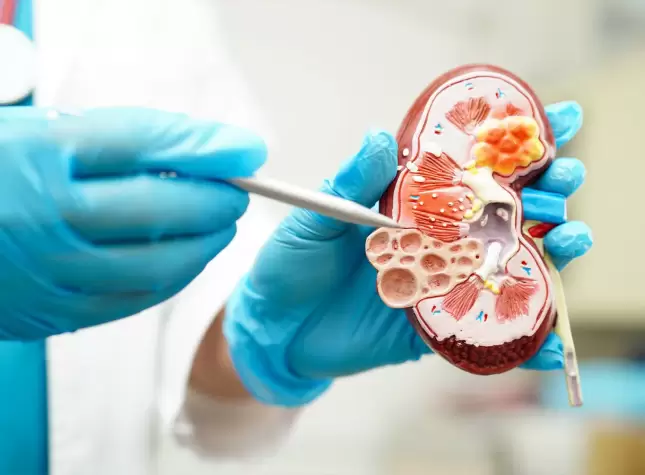
Glomerular disease is the result of conditions that affect a vital part of the kidney known as glomeruli, “kidney's filtering units." This allows vital proteins and blood cells to leak into the urine.
The Function of Glomeruli
Glomeruli are the tiny network of blood vessels known as the “cleaning units” of the kidney. What they do is filter waste and eliminate extra fluids from the blood.
But when these cleaning units, aka glomeruli, are damaged and unable to function as they should, it leads to glomerular disease.
What are the causes?
Here are some of the reasons that can damage glomeruli:
- Infections (such as post-streptococcal glomerulonephritis).
- Medication or a chemical.
- Diseases affecting the entire body, including the kidneys.
- A health condition causing swelling or scarring of the nephron or glomerulus.
- Genetic conditions.
- An unknown cause.
Read Also: Best Urologists in Kolkata: Common Conditions They Treat
Signs & Symptoms of Glomerular Disease
At early stages, there are subtle to no symptoms. However, as the disease progresses, the following symptoms can start to appear:
- Blood in urine (hematuria), which gives it a pink, cola-colored, or brown color.
- Foamy or bubbly urine due to protein leakage.
- Puffiness around the eyes (periorbital) in the morning and swelling in the ankles, feet, legs, or belly due to fluid retention.
- High blood pressure.
- Rapid, unexplained weight gain because of fluid accumulation.
- Decreased urine output.
Diseases and Conditions That Cause Glomerular Disease
The best nephrologist in Kolkata says many diseases can result in glomerular disease, such as the following:
- Systemic lupus erythematosus (SLE)
- Goodpasture’s syndrome
- IgA nephropathy (antibody immunoglobulin A (IgA) forms deposits in the glomeruli)
- Alport Syndrome
- Acute post-infectious glomerulonephritis (PIGN)
- Bacterial endocarditis
- Viral infections, such as hepatitis B, hepatitis C, and human immunodeficiency virus
- Glomerulosclerosis
- Diabetes-related nephropathy
- Focal segmental glomerulosclerosis (FSGS)
- Membranous nephropathy
- Minimal change disease (MCD)
What Living With Kidney Disease Looks Like
Living with the condition generally has the following aspects:
- Recognizing early signs.
- Follow the doctor’s advice.
- Taking medicines as prescribed.
- Managing ongoing tiredness, invisible symptoms that others may not see.
- Follow strict dietary changes, such as low sodium/potassium.
- Going for regular blood pressure checks and blood tests (e.g., GFR).
- Taking professional help to address "brain fog" or memory issues because of toxin buildup.
Does Glomerular Disease Result in Kidney Failure?
If left untreated, it can gradually lead to:
However, the right treatment doctors can help treat the underlying cause (if it can be determined) to safeguard your kidneys from further damage.
Glomerular Disease Treatment
The treatment is generally based on the particular cause behind the disease and symptoms:
1. Corticosteroids and Immunosuppressants
Help lower immune-related inflammation and damage to the kidneys.
2. ACE Inhibitors and Angiotensin Receptor Blockers (ARBs)
Help decrease protein loss (proteinuria) and manage high blood pressure.
3. Diuretics ("Water Pills")
Help mitigate swelling (edema) and fluid overload.
4. Advanced Therapies
Your doctor may consider plasmapheresis to remove harmful antibodies from the bloodstream because of certain autoimmune conditions.
5. Lifestyle and Supportive Care
The best nephrologist in Kolkata recommends lowering the intake of sodium and protein. This can decrease the burden on the kidneys.
Regular monitoring of kidney function is done through periodic check-ups, blood tests, and urinalysis.
6. Kidney Transplant
This option is reserved for the severe cases. When other treatment options fail to show results, dialysis or a kidney transplant may be necessary.
Conclusion
Living with glomerular diseases can be a potentially life-threatening situation that requires your immediate medical attention. Recognizing the signs early can help avoid severe complications and improve recovery chances.
All you need is to follow your nephrologist's advice and follow a kidney-healthy diet, such as by reducing intake of sodium and protein, processed foods, canned foods, and fast foods.
Are you looking for the best treatment and management approach for glomerular diseases?
You can contact an expert at IRIS Multispeciality Hospital by calling +91 8929579509 and get personalized treatment.
Our Address: 82/1, Raja S. C. Mullick Road, Kolkata 700047 Open: 24x7
Our Experts:

 IRIS
IRIS
 Address: 82/1, Raja S. C. Mullick Road, Kolkata 700047
 Open: 24x7
 +91 8929579509


