Up to 15% of women who are of reproductive age have PCOS, making it a commonly occurring condition. Many women are unaware that they have the condition until they experience difficulties becoming pregnant or start gaining weight for no apparent reason. It's likely to have mild PCOS, in which case your symptoms won't be noticeable. This syndrome can affect women at any point after puberty. Most women are diagnosed with PCOS in their 20s or 30s, especially when they’re trying to conceive.
Obesity or a history of PCOS in other members of your biological family may increase your risk of developing it. Although there is no permanent cure for PCOS, you may be able to manage it with medication and specific dietary adjustments, practices, and supplements. Scroll down to get effective tips to manage your PCOS and improve your quality of life.
Read Also: High-Risk Pregnancy Specialists in Kolkata: What Mothers Should Know
What is Polycystic Ovary Syndrome (PCOS)?
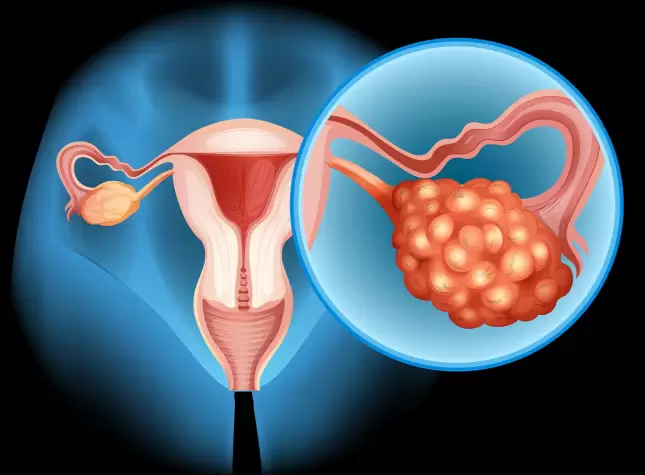
Polycystic ovary syndrome (PCOS) is a gynecological condition characterized by hormonal imbalance. In this condition your ovaries (the organs that make and release eggs) secrete high quantities of hormones known as androgens. This imbalances your reproductive hormones. As a result, individuals with PCOS often experience irregular menstrual cycles, missing periods, and uncertain ovulation. Small follicular cysts (fluid-filled sacs containing immature eggs) may be seen in your ovaries during an ultrasound owing to a lack of ovulation (anovulation). Despite the label "polycystic," PCOS is not always present with ovarian cysts. The ovarian cysts are neither potentially harmful nor painful.
PCOS is one of the leading causes of female infertility. It may also raise the likelihood of developing other health issues. Your doctor can treat PCOS based on your symptoms and if you wish to conceive.
Read Also: How Much Does Delivery Cost In Kolkata? A Breakdown of Maternity Packages
Tips for Managing Polycystic Ovary Syndrome (PCOS) Effectively
According to studies, the causes of PCOS are complex, but insulin resistance and hormone control play important roles. Lifestyle adjustments and dietary supplements may help you control these factors and alleviate your symptoms. There is no therapy that is one-size-fits-all.
You should always consult your doctor before adopting any alternative treatments. They can recommend dosages, adverse effects, and interactions.
PCOS Diet Tips
Eating the appropriate meals and avoiding specific components might help you control your symptoms. A healthy diet might assist in managing your hormones and menstrual cycle. Consuming processed, heavily preserved foods can increase inflammation and insulin resistance. Include the following in your diet for best PCOS management:
- Whole foods are free from artificial sugars, hormones, and preservatives
- Fruits, vegetables, whole grains, and legumes
- Plant-based protein sources, such as nuts, legumes, and whole grains
- Olive oil, tomatoes, leafy greens, fatty fish like mackerel and tuna, and tree nuts for improving insulin sensitivity
- Spinach, eggs, and broccoli for iron
- Almonds, cashews, spinach, and bananas for magnesium
- Lentils, lima beans, broccoli, Brussels sprouts, pears, and avocados for fiber intake
- Cut out coffee
PCOS Supplements
Supplements are said to assist with hormone control, insulin resistance, and inflammation caused by PCOS. You can take the following supplements with your doctor’s approval for the management of PCOS:
- Inositol: To improve insulin resistance and boost fertility
- Chromium: To improve your body mass index and stabilize insulin resistance.
- Cinnamon: To improve insulin resistance and menstruation regulation.
- Turmeric: To decrease insulin resistance and inflammation.
- Zinc: To boost fertility and your immune system. To manage excessive or unwanted hair growth.
- Evening primrose oil: For managing period pain and irregular menstruation.
- Combined vitamin D and calcium: To improve irregular periods and help you ovulate.
- Cod liver oil: To improve menstrual regularity and help get rid of fat around your waist.
- Berberine: To ramp up your metabolism and balance your body’s endocrine responses.
- Probiotics: To reduce inflammation and regulate sex hormones like androgen and estrogen.
PCOS Weight Management Tips
Maintaining a healthy weight might help reduce insulin resistance, manage your period, and lower your risk of PCOS-related complications. According to studies, if you are overweight, losing weight gradually with a low-calorie diet is a promising first-line therapy for PCOS.
- Regular Exercise: Gentle activities like yoga, Pilates, swimming, and light aerobics are good long-duration options. Long-distance running may also help some women with PCOS.
- Sound Sleep: Good sleep helps regulate cortisol and balance hormones.
- Reduce Stress: Yoga, proper sleep, and limiting caffeine can reduce stress. Also, walking outdoors and relaxation are the best self-care tips for PCOS.
- Limit or Avoid Endocrine Disruptors: Endocrine disruptors interfere with hormonal function. They can mimic sex hormones and worsen PCOS symptoms. They are commonly found in canned foods, certain soaps, makeup, and chemical-based products.
Conclusion
If you think you have PCOS, discuss your symptoms with your healthcare doctor. Lifestyle adjustments and medication therapies can help you manage your symptoms, reduce your risk of associated health problems, and conceive (if that is your aim).
Be aware of supplements and other therapies that make big promises. Although there have been a lot of studies on natural therapies for PCOS, more concrete evidence is yet to be established to support many alternative methods.
You should always consult your doctor before beginning any alternative therapy. Some therapies that promise to be miraculous cures for PCOS might influence your fertility or cause other complications.
The physical effects of polycystic ovary syndrome can be frustrating and challenging. At IRIS Hospital, the top gynecologists in Kolkata can help you manage the symptoms. Book your consultation now!
FAQs
Q1: What are the PCOS lifestyle change tips?
A: Quitting alcohol and smoking, getting sound sleep, staying physically active, and relieving your stresses are some PCOS lifestyle change tips.
Q2: What are PCOS natural remedies?
A: Maca root, ashwagandha, holy basil, licorice root, Tribulus terrestris, and chasteberry are some herbal remedies for PCOS. You must discuss it with your doctor before taking it.
Q3: Which is the best gynecology hospital in Kolkata?
A: Iris Hospital is one of the best gynecology hospitals in Kolkata.
Q4: Is PCOS a genetic condition?
A: Researchers are studying more about the causes of PCOS. However, some data indicates that PCOS has a genetic or inherited component. This implies that if your biological parent has PCOS, you may also be predisposed to it.

 IRIS
IRIS
 Address: 82/1, Raja S. C. Mullick Road, Kolkata 700047
 Open: 24x7
 +91 8929579509


