When the supply of blood to the heart is suddenly blocked, usually by a blood clot, this is an emergency condition known as a Heart Attack.
The good thing, as the best cardiologist in Kolkata says, is that 80% of heart attacks are preventable by adopting actions like a healthy diet, regular exercise, managing stress, and getting enough sleep.
What are the Early Signs of a Heart Attack? | Recognise Them For Timely Action
A heart attack, also known as a myocardial infarction, can have the following early warning signs:
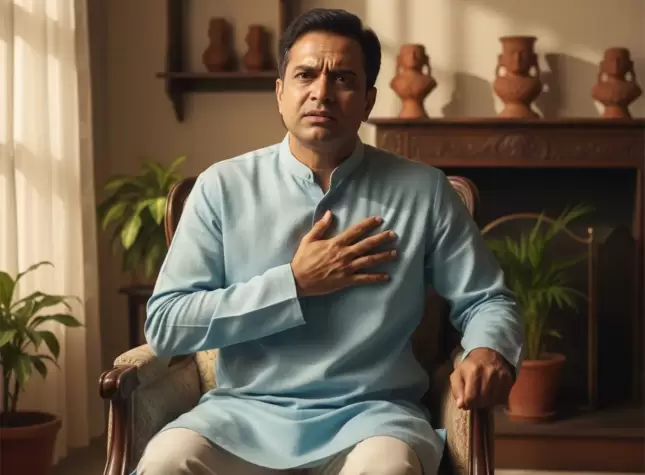
1. Chest Discomfort
It can occur when a blocked artery does not allow the oxygen-rich blood to reach the heart muscle, causing it to stress and signal pain through nerves.
How may chest discomfort feel?
It may feel like:
- Pressure
- Squeezing
- Tightness
- Fullness in the center or left side of the chest
This can last for minutes or come and go.
2. Discomfort in Other Areas of the Upper Body
Symptoms can include pain or discomfort in the:
- Arms (one or both)
- Back
- Jaw
- Stomach
- Neck
This discomfort is often mistaken for muscle strain. Decreased blood flow irritates nerves connected across the chest and upper body. Sometimes called referred pain.
3. Shortness of Breath (Happens With or Without Chest Discomfort)
You might feel winded despite proper rest or with minimal activity. The heart's reduced ability to pump puts strain on the lungs, making it difficult to breathe as oxygen demand surpasses supply.
Read Also: How To Check Your Heart Health: Tests, Signs & Prevention Tips
Other Possible Heart Attack Signs Include
4. Nausea, Vomiting, or Indigestion
Upset stomach or heartburn-like burning can happen, particularly in women. The heart's distress can trigger the vagus nerve (the longest nerve that carries signals between your brain, heart, and digestive system), imitating gut issues by decreasing the digestive process and causing queasiness.
5. Breaking Out in a Cold Sweat or Clammy Skin
Unexplained sudden sweating without exertion, such as breaking into a chill. This can happen when the body's fight-or-flight response triggers from heart stress, releasing sweat glands despite dropping blood pressure.
6. Unexplained Fatigue or Weakness
The heart struggles harder against blockages. This exhausts the body as muscles are deprived of oxygenated blood.
7. Feeling Lightheaded
Inadequate heart output lowers brain blood flow, depriving it of oxygen and leading to balance issues.
It's Important to Know About a Heart Attack | Male Vs Female Heart Attack Symptoms
Both men and women can experience chest pain (angina) or discomfort. However, women can experience other symptoms that are typically less associated with a heart attack.
Here are the subtler symptoms of a heart attack in women:
- Anxiety
- Shortness of breath
- Upset stomach
- Pain in the shoulder, back, or arm
- Unexplained tiredness and weakness
- Nausea
- Vomiting
What Are the Risk Factors for a Heart Attack?
Some of the risk factors of a heart attack are:
- Age (For males: the risk of heart attack increases at age 45. For females: the risk increases at age 50 or post-menopause.
- Gender
- Family history of heart disease
- Bad lifestyle choices
- Ongoing health conditions (diabetes, high cholesterol, high blood pressure)
Causes of Heart Attack May Include
- Plaque buildup
- Narrowed arteries
These can occur due to contributing factors such as high blood pressure, high cholesterol levels, and unhealthy habits.
Complications of a Heart Attack
The associated complications are the following health problems or medical issues that can happen as a result of a heart attack are:
- Arrhythmias (irregular heart rhythms)
- Heart failure
- Stroke
- Sudden cardiac arrest
- Depression and anxiety
- Cardiogenic shock
- Heart valve issues
What to Do in a Heart Attack | The First Aid
- Call the emergency number right away.
- Make the person sit comfortably.
- Loosen the tight clothing.
- Give them a chewable aspirin to help thin the blood (if recommended)
- Take nitroglycerin if prescribed.
- Continue the CPR for a heart attack until help arrives.
- Use an automated external defibrillator (AED), if available, to restore the heart rhythm.
The recovery depends upon the severity of the condition but takes anywhere from 2 weeks to 3 months. Cardiac rehabilitation can help accelerate recovery and make long-term lifestyle changes.
Preventing Heart Attack | What are the Tips
If adopted, the following tips can help reduce the chances of a heart attack to 75 to 80 percent, but if you already have a known risk and have a family history, you need to follow your doctor’s advice.
Here are the prevention tips:
- Say no to smoking or using tobacco.
- Engage in regular exercise.
- Maintain a healthy weight.
- Eat nutritious foods.
- Eat less salt and saturated fats.
- Limit alcohol.
- Manage stress.
- Control blood pressure, blood sugar and cholesterol.
- Get 7 to 8 hours of quality sleep daily.
How Do Doctors Tell if You Had a Heart Attack? The Diagnosis
Your doctor at the best cardiology hospital in Kolkata can order the following tests to detect a heart attack:
- Blood tests to check cardiac troponin (a chemical marker when heart muscle cells are damaged)
- Electrocardiogram (EKG or ECG)
- Echocardiogram
- Coronary angiogram or heart catheterization
- Heart computed tomography (CT) scan
- Heart MRI (magnetic resonance imaging)
- Exercise stress test
- Nuclear heart scans
If you are in Kolkata, your cardiologist can sometimes refer you to the cath lab, also known as the cardiac catheterization lab, to see how well your heart is working and what kind of treatment is required.
During a cardiac cath, your health care team may:
- Take X-rays using contrast dye to investigate for narrowed or blocked coronary arteries.
- Perform a valvuloplasty for widening a narrowed heart valve opening.
- To know the pressure in the 4 chambers of your heart.
How Long Does a Cath Lab Procedure Take?
The catheterization procedure itself takes around 30 minutes; however, prep and recovery can add extra hours to the appointment time.
Heart Attack Hospital Near Me | Iris Hospital, Kolkata, India
IRIS Multispeciality in Kolkata is known for its best cardiac care. Our Department of Cardiology, backed by experts like Dr. Avisekh Saha, is known for advanced diagnostics, personalized treatment plans, and ongoing cardiac condition management.
Our expertise includes
- Coronary Artery Disease (CAD) Management
- Heart Failure Management
- Arrhythmia Management
- Valvular Heart Disease Treatment
- Structural Heart Interventions
The treatment may include comprehensive measures like
- Medications
- Lifestyle changes
- Cardiac rehabilitation
- Surgery if necessary
Looking for the best cardiac care in Kolkata, India? Schedule a call at +91 8929579509.
Our Address: 82/1, Raja S. C. Mullick Road, Kolkata 700047 Open: 24x7

 IRIS
IRIS

 Address: 82/1, Raja S. C. Mullick Road, Kolkata 700047
 Open: 24x7
 +91 8929579509


