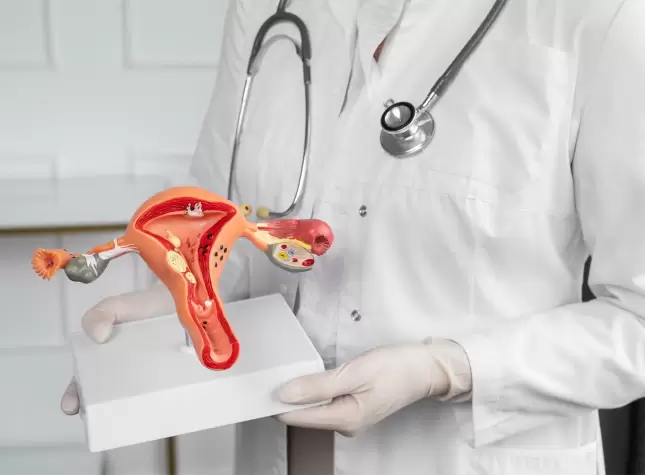
Gynecological disorders affect almost all women at some point in time in their lives. It could be bothersome because women have to suffer pain and discomfort due to these disorders. Some may suffer pain throughout the menstrual cycle. This pain and discomfort is usually brushed off as normal. Since the pain typically affects the pelvic area, it can also be confused with other conditions like gastrointestinal, urinary, musculoskeletal, and psychogenic. However, the severity and frequency of the discomfort can differentiate these disorders from gynecological ones.
As you scroll down, you will learn more about common gynecological issues every woman should know. Also know their symptoms and treatment options in the following article.
Read Also: High-Risk Pregnancy Specialists in Kolkata: What Mothers Should Know
Gynecological disorders are characterized by disruption of the normal function of the female reproductive system. It involves the disorders of the breasts, pelvic area, the womb (uterus), ovaries, fallopian tubes, vagina, and vulva. Your pelvic pain may indicate a gynecological disorder. The following symptoms are often associated with gynecological diseases:
Read Also: How Much Does Delivery Cost In Kolkata? A Breakdown of Maternity Packages
Following are the common gynecological disorders that are the main reasons behind most patient visits in gynecological clinics every year:
| Gynaecological Condition | Description | Common Symptoms |
| PCOS (Polycystic Ovary Syndrome) | It’s a women’s health issue characterized by hormonal disturbance that often affects those in the reproductive age. It is characterized by the presence of cysts on the female reproductive system. | Acne, weight gain, increased hair growth, and infertility |
| Endometriosis | Endometrial tissue grows outside the uterus—commonly on ovaries, bowel, bladder, or behind the uterus. | Pelvic/abdominal/lower back pain, heavy periods, painful intercourse, infertility. |
| Uterine Fibroids | Benign tumors from uterine muscle tissue; may grow inside, within, or outside the uterine walls or on stalk-like projections. | Heavy periods, abdominal/back pain, painful intercourse, abdominal enlargement, and urinary/bowel pressure symptoms. |
| Ovarian Cysts | Fluid-filled sacs developing in ovaries. Common types: follicle cysts and corpus luteum cysts. PCOS causes multiple cysts and can affect fertility. | Bloating, painful bowel movements, pelvic pain, pain during intercourse, lower back/thigh pain, breast tenderness, and nausea/vomiting. Severe pain/fever/dizziness may indicate rupture or torsion (emergency). |
| Adnexal Tumors | Growths near the uterus that form in the ovaries, fallopian tubes, or surrounding connective tissues. Classified as ovarian/non-ovarian and benign/malignant. | Pelvic pain, irregular periods (pre-menopause), bleeding at the site, urinary difficulty, frequent urination, constipation, and GI issues. |
| Bartholin’s Cyst | Blockage of the Bartholin’s gland located between the vagina and vulva, leading to fluid-filled swelling. | Small painless lump, vulvar discomfort if enlarged, and pain while sitting, walking, or during intercourse. |
| Cervical Dysplasia | Abnormal changes in cervical cells due to HPV infection; may progress to cancer if untreated. Preventable through the HPV vaccine. | Often asymptomatic; sometimes abnormal vaginal bleeding. |
| Pelvic Inflammatory Disease (PID) | Infection of the female reproductive organs, usually due to untreated STIs or bacterial infections spreading to the uterus, fallopian tubes, or ovaries. | Lower abdominal/pelvic pain, fever, abnormal discharge, painful intercourse, painful urination, and irregular bleeding. |
| Incompetent Cervix | Early and painless cervical dilation during the first 3 months of pregnancy. Risk factors include DES exposure, connective tissue disorders, and previous cervical procedures. | Pelvic pain; often no symptoms until dilation occurs. |
| Urinary Tract Infection (UTI) | Infection in the urethra, bladder, or kidneys—common in women due to a shorter urethra. | Burning urination, frequent urge to urinate, lower abdominal pain, cloudy urine, foul smell, and fever (if severe). |
| Pelvic Organ Prolapse | Weakening of pelvic floor muscles causing pelvic organs to drop against or into the vagina. | Feeling/seeing a vaginal bulge, pelvic pressure or fullness (worse on standing/coughing), urinary leakage, bowel issues, and difficulty inserting tampons. |
| Other Gynecological Problems | Includes cervical & uterine cancers, menorrhagia (heavy bleeding), and menopausal symptom management. | Depends on condition: abnormal bleeding, pelvic pain, menopausal symptoms (hot flashes, irregular cycles). |
The majority of the gynecological diseases described above may not exhibit any symptom until they have advanced. Therefore, you may not be aware that you have a cyst, tumor, or an abnormal mass until you get a thorough examination by a gynecologist in Kolkata. Our gynecologists will first review your gynecologic history, followed by diagnostic procedures. Please maintain your gynecological health by scheduling regular checkups with a gynecologist.
An annual gynecological checkup may include the following:
Based on circumstances, gynecologist recommend following diagnostic tests such as
To nip the potential gynecological issues in the bud, visit the gynecologist at least once annually. Get your vaccinations done for the prevention of specific gynecological disorders. Specialists in obstetrics and gynecology at Iris Hospital have deep experience treating people with a wide range of diseases and conditions of the gynecologic and urinary systems. Some women come to us when their condition is complex or extremely advanced, or when conventional approaches fail to provide a solution.
Choose IRIS Hospital, the best gynecology hospital in Kolkata, for the woman-centric care. Book your consultation now!
Q1: Why do I have period pain mid-cycle?
A: Ovulation pain is caused by the ovary releasing the egg. There are some conditions that may cause a similar pain. These include conditions that affect the womb or ovaries, such as endometriosis and ovarian cysts.
Q2: How to know if period pain is abnormal?
A: Mild discomfort with periods may be normal, but pain that stops a woman from working or going to school or doing other daily activities is not normal and should be evaluated by a gynecologist.
Q3: Why am I cramping a week before my period?
A: Cramping a week before your period is common and is often a sign of premenstrual syndrome (PMS) as hormonal changes prepare your uterus to shed its lining. These cramps are caused by the release of prostaglandins, hormone-like substances that trigger uterine contractions. Other possible causes include early pregnancy implantation cramping or pain from conditions like endometriosis or fibroids.
Q4: What type of pain is associated with endometriosis?
A: Endometriosis pain can be described as severe menstrual cramps, acute, stabbing, or scorching pain in the lower abdomen or back, and persistent pelvic discomfort that persists beyond your period.
Q5: What menstrual symptoms are abnormal?
A: Abnormal menstrual symptoms encompass irregularities in your cycle, such as prolonged periods, periods for a very short span, or missing periods. Other symptoms include bleeding between periods, spotting after intercourse, and extremely heavy bleeding that necessitates frequent pad changes or includes the passage of big clots. Severe cramps, exhaustion, and excessive bleeding may potentially suggest a problem.